Why Ma Dong-seok's Training Is a Blueprint, Not a Copy-Paste
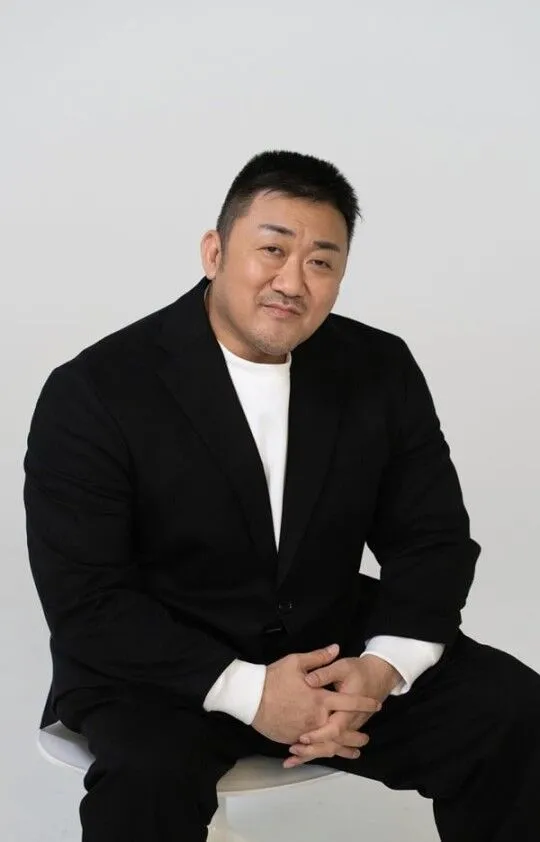
Ma Dong-seok — also known as Don Lee — has one of the most recognizable physiques in action cinema: massive, powerful, and built for on-screen impact. But his training isn't a generic gym routine. It's a boxing-first system he's refined over decades, shaped by injuries, age, and the specific demands of action roles.
In a Men's Health profile tied to Marvel's Eternals (2021), he's described training at Challenge Boxing Club in Seoul's Yeoksam neighborhood, throwing punches at a heavy bag and sparring with a padded partner. He also weight-trains, and his sessions last almost two hours. He built a home gym about five years before that profile.
The key takeaway: his routine is intensely personal and hard-earned. You can borrow principles — consistency, boxing as a foundation, rehab as a lifelong habit — but the exact volume and intensity are his, not a universal prescription.
Boxing Is His Foundation — and His Language
Ma Dong-seok has repeatedly emphasized boxing as the core of his fitness. In a 2025 Asia Economy interview, he called boxing 'my language,' said he personally runs a boxing center, and said he wants to keep doing action roles until he is 60.
In the Men's Health profile, he states in his own words that one reason he works out is to clear his mind. The same profile notes that workouts helped him release stress and anger when he was younger and struggling financially in the US.
Past age 50, he has said he spars weekly with national-team-level boxers and runs a boxing gym to keep his conditioning and timing sharp (Kstyle, 2023). He also told an SBS column that he goes to the boxing gym essentially every day — not just 'when he has time' — and continues rehabilitation. A boxing coach once told him the only way to improve was to practice every day.
Heavy Lifting and a Massive Physique: The Numbers He's Shared
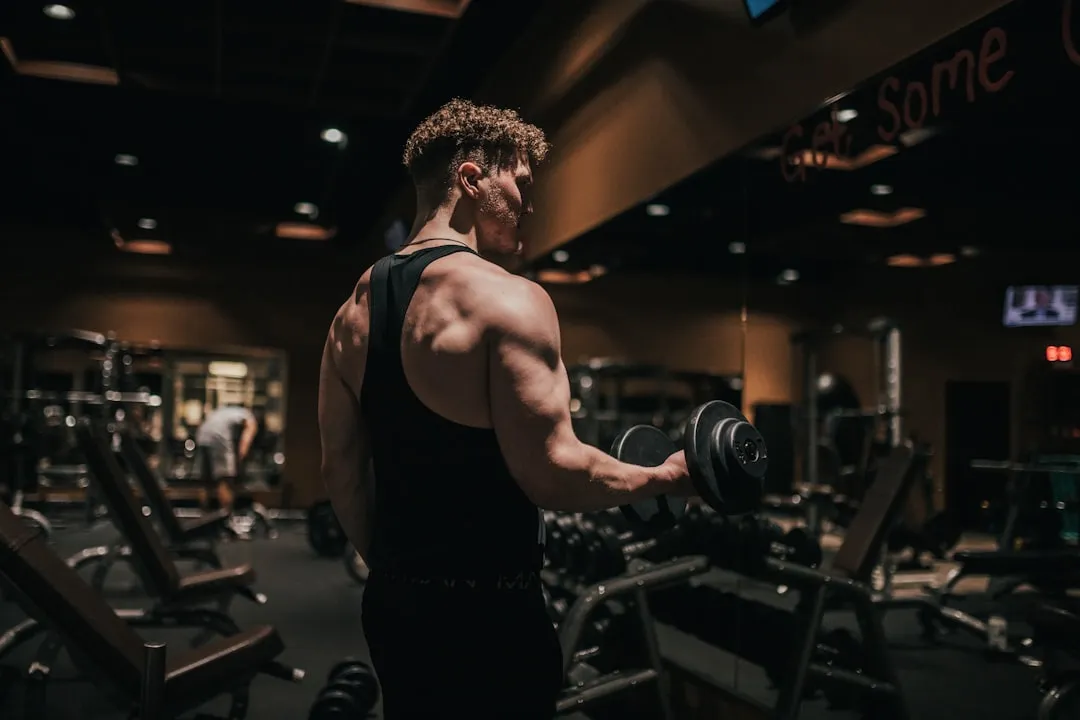
Before and early in his acting career, Ma Dong-seok worked as a personal trainer — including training UFC heavyweight champion Mark Coleman — and studied sports management in the US (Health Chosun). At his heaviest period as a trainer, Korean media (Chosun) reported he weighed about 120 kg with roughly 21-inch arms and 28-inch thighs.
He told the Korean National Health Insurance Service magazine that he long lived at about 120 kg, but after a major accident about a decade earlier, doctors advised he maintain around 100 kg. He also said losing weight makes his body hurt. He noted he has metal screws in his body after shoulder and spinal surgeries.
Important context: his 120 kg physique is not a realistic or safe target for most people. Replicating his look is very difficult and largely dependent on individual factors. Extreme bulking and very high bodyweights carry health risks.
Training Through Injuries: 'Rehabbing for Life'
Ma Dong-seok has been remarkably open about his injuries. Multiple interviews (SBS, Donga, Sports Donga, HuffPost Korea) document that he has knee cartilage loss, an Achilles tendon that is roughly half gone, and a history of fracture injuries. He has described spending about 300 of 365 days a year in some pain while continuing to film action scenes.
The Men's Health profile notes he has suffered a back fracture and shoulder damage requiring two surgeries, which have slowed his training. He has said he keeps 'rehabbing for life' while sparring at boxing gyms to stay sharp.
If you're dealing with joint, tendon, or back issues, do not model your training on his volume. Consult a medical professional or physical therapist before starting any high-impact or heavy-load program, especially if you have a history of injury.
His Diet Advice: Five Meals, Protein, and Water
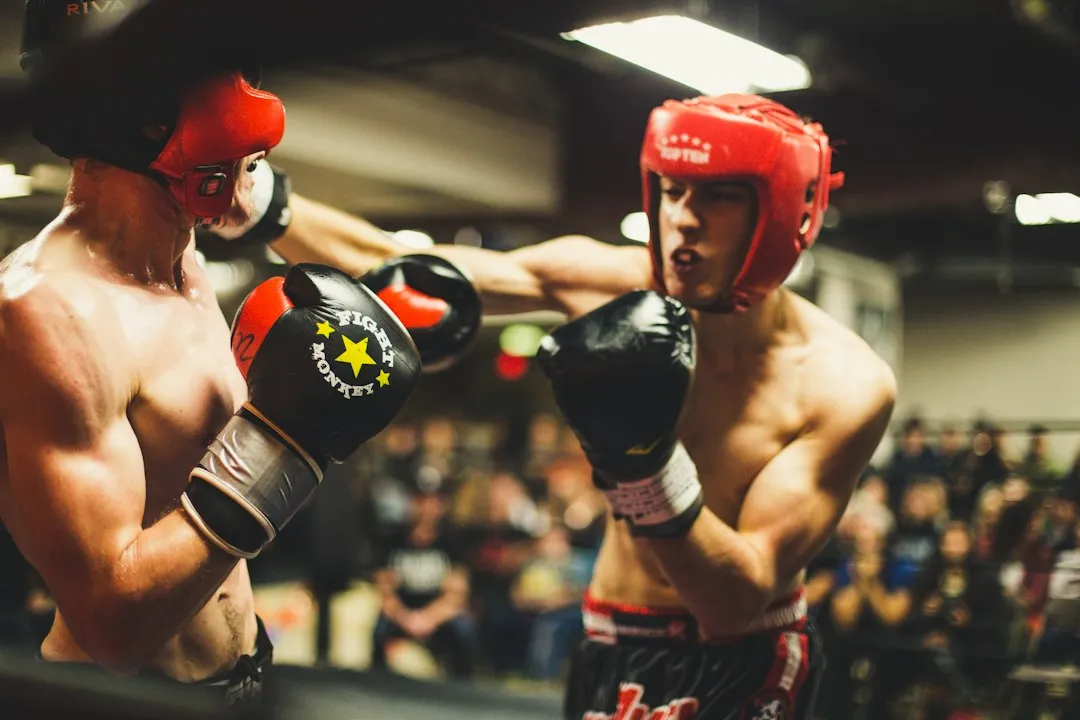
On diet, a Chinese-language Elle piece citing his guidance says he advises eating five meals a day built around protein and fresh vegetables, and drinking at least two liters of water daily for muscle gain.
This is general guidance attributed to him, not medical advice. Individual calorie and protein needs vary widely based on body size, activity level, and health status. If you're considering a major dietary change, consult a registered dietitian or your doctor.
What You Can Actually Borrow From His Approach
You don't need to train like a 100+ kg action star to benefit from his principles. Here are the transferable habits:
- Pick one foundation. For him, it's boxing. For you, it could be running, cycling, or a martial art. Build your conditioning around it.
- Show up daily. He goes to the boxing gym essentially every day, not just when he has time. Consistency beats intensity.
- Lift alongside your sport. He weight-trains in addition to boxing. Strength work supports performance and resilience.
- Treat rehab as ongoing. He continues rehabilitation as a lifelong practice, not a temporary fix.
- Use training for mental clarity. He works out to clear his mind and release stress — a benefit anyone can chase.
- Eat for your goal. His five-meal, protein-and-vegetable framework is a simple starting point, but adjust to your needs.
A Final Note on Safety and Realism
Ma Dong-seok's routine is shaped by decades of training, a specific genetic makeup, and a career that demands a certain physique. He has also been candid about the toll: pain most days and multiple surgeries.
If you're inspired to train harder, do it smart. Consult a professional before starting any intense program, especially if you have existing injuries or health conditions. The goal isn't to become Ma Dong-seok — it's to build a body that supports your life.

No comments yet